
Conversations in Beijing
Snapshots from a trip to China

I recently went to China for three weeks.
China is a country that changes particularly fast, and after just a few years away, things on the ground can feel quite different. It’s now been over three years since I last lived there. Visiting when I can is a way to ensure that my mental image of China doesn’t remain stuck in the past.
I spent almost my entire trip in Beijing, in the same areas where I lived and worked during my last few years in the city. This is only a small slice of China, of course, but I plan to visit more of the country very soon. My stay in Beijing happened to coincide with Trump’s state visit.
As I wrote a few months ago, views of China have recently become more positive around the world. The perception of the country as a successful, prosperous and hypermodern technological behemoth dominates the conversation. Videos of drone deliveries, robotaxis and amazing skylines are reframing people’s mental image of China. Concerns about authoritarianism and repression seem to have taken a backseat.
Even China-bashing Fox News reporter Bret Baier, in Beijing at the same time as me to cover Trump’s visit, couldn’t resist making videos about humanoid robots making him coffee and fetching him sausages. (Baier also claimed that nobody ever jaywalks in Beijing, because China’s mighty surveillance network would immediately spot them and give them a ticket. News to me, since I saw pedestrians casually crossing where they were not supposed to all the time, and I even did so myself on occasion).
When you live outside of China, your image of the country inevitably starts to be shaped by content you see online and in the media. All the reports on China’s technological marvels had almost convinced me that I was going to arrive back to find a futuristic landscape of drones, driverless cars and people taking robot dogs for a walk.
In fact, when I got to Beijing, things seemed more or less as I had left them. Every cab I took had a decidedly human driver, and while I bought quite a few things on Meituan, all my deliveries were made by young men on scooters, not drones. I also didn’t see a single robot make my coffee, even though I went to plenty of cafes.
No, Beijing is still its scruffy old self, and all the better for it. I spent the first few days in the Gulou area, whose gentrified hutong have long been a draw for young Chinese and expats as well as tourists. I used to live in one of them almost a decade ago.
One thing that struck me was the number of foreign tourists on the streets. There are more of them than during the pandemic, of course, but also more than in the years before Covid. China’s new visa-free entry policies, now extended to every Western country except the US, are clearly encouraging more and more people to visit.
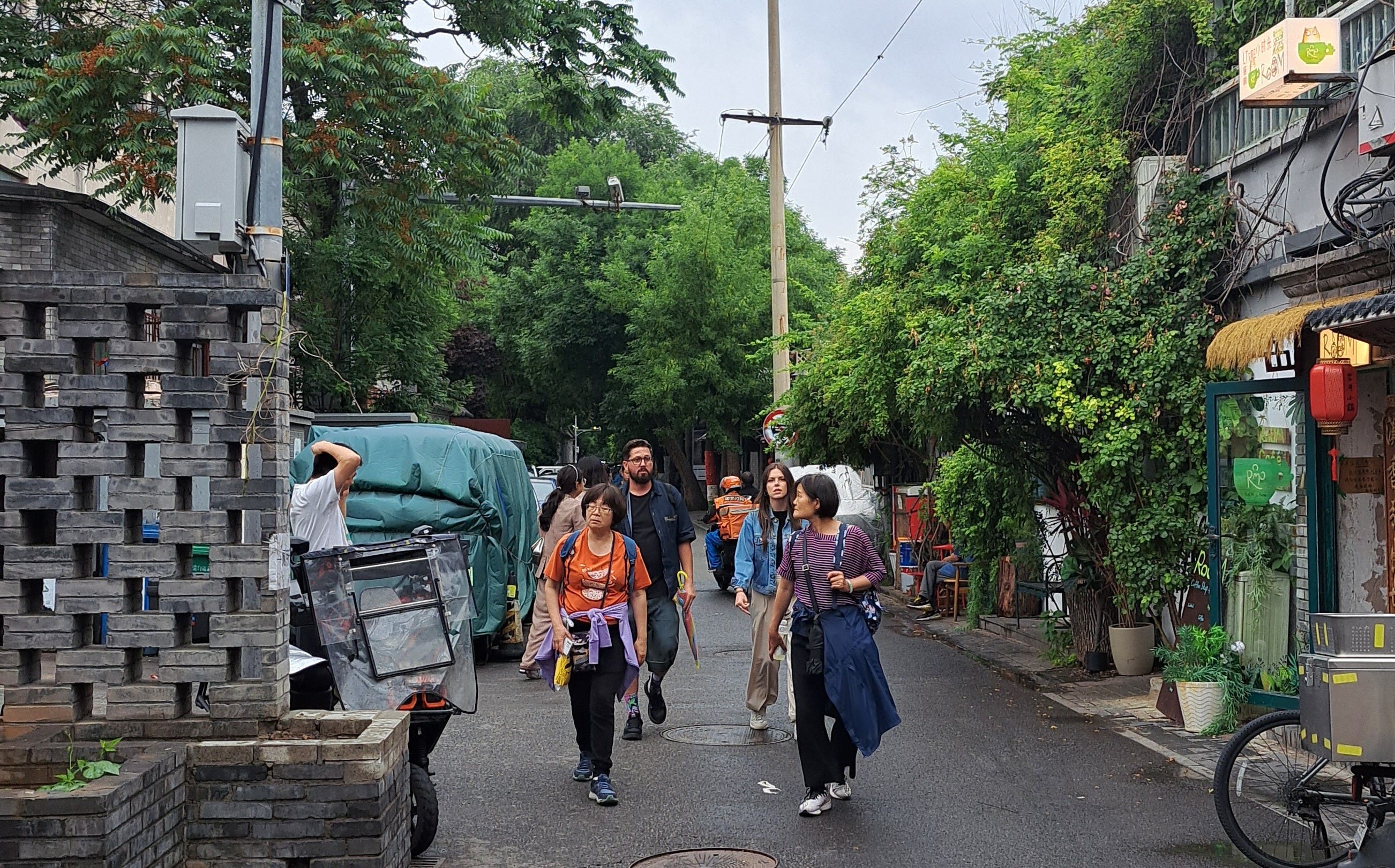
Apart from the tourists, the hutongs retain the communal spirit and rough authenticity that I remember, with elderly Beijingers who’ve lived there all their lives shuffling past fashionable cafes where young women take photos for their Xiaohongshu.
Many of the bars and restaurants I knew are gone, but others have survived, and new ones have sprung up. Some have just moved to a new location. Bars in the area often get shut down, sometimes due to pressure from the police, complaints from the neighbours or landlords getting cold feet, and then reopen elsewhere.
The Gulou area has the most “indie” and foreign-friendly nightlife scene in Beijing, one that the authorities and some locals have often viewed with suspicion and even downright hostility. It is clear that the suspicion has not let up. One night, while I was in a bar popular with foreigners, some policemen came and stood around outside for a while, taking photos of the bar’s entrance. The owner told me this happens all the time.
I was also told that, over the past two years, Beijing’s police have cracked down on foreign residents playing in bands and performing concerts. This is often flagged as a violation of the terms of their visas, even when they are not earning any money from it. The crackdown has really hurt the area’s vibrant live music scene.
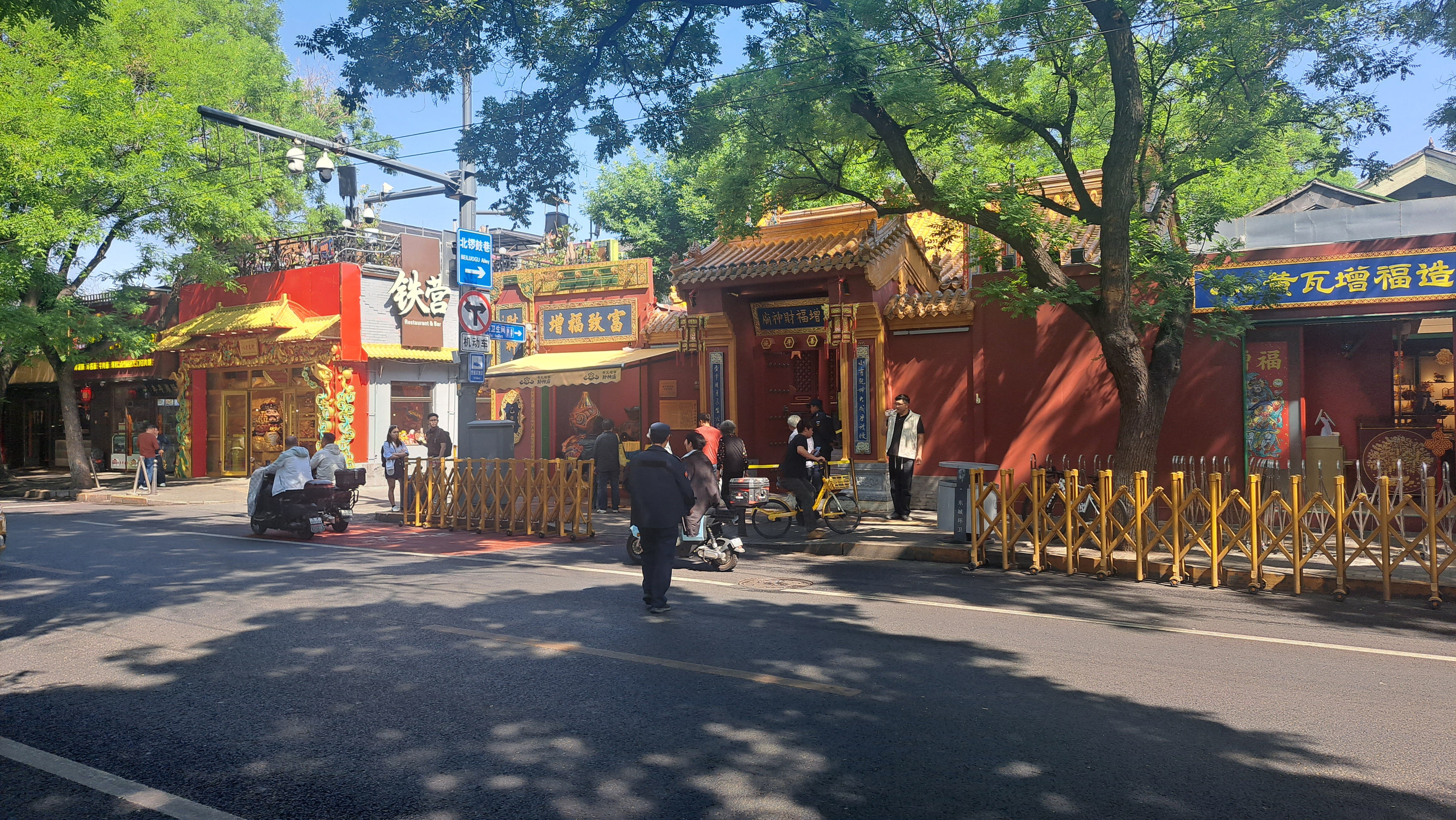
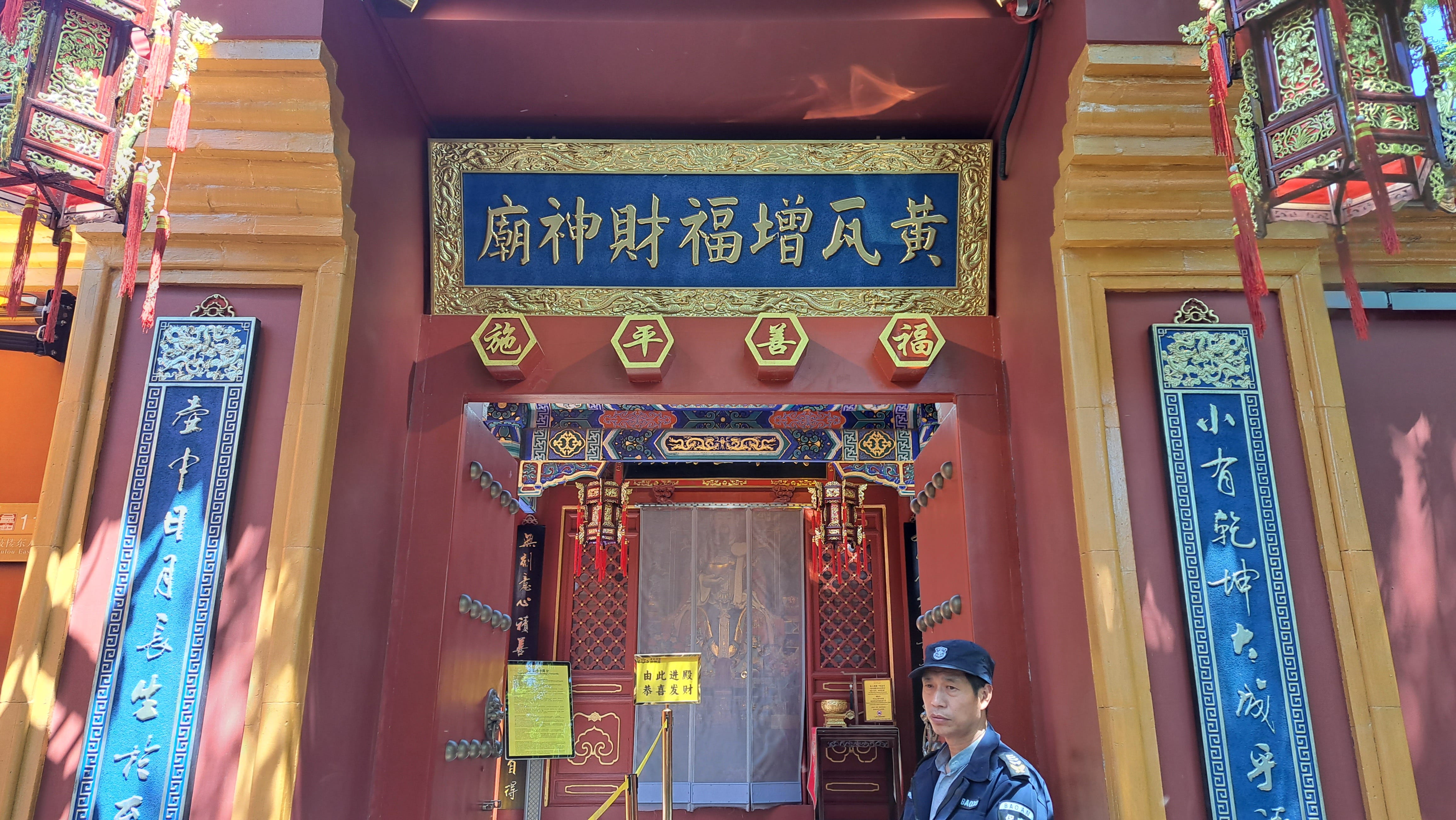
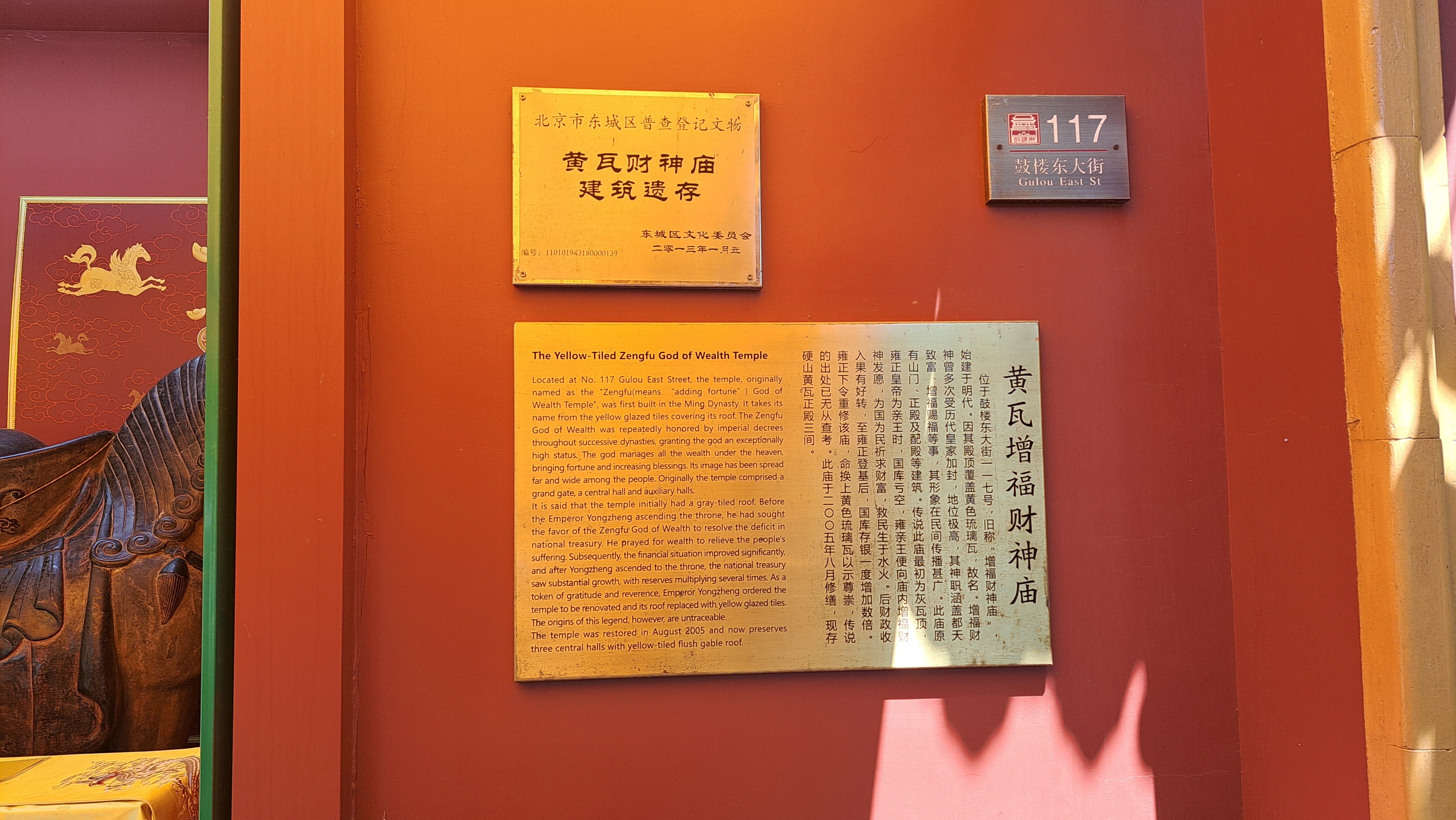
While many of Gulou’s bars may have disappeared, I was surprised to discover that an “ancient temple” has appeared seemingly out of nowhere. Just next to the entrance to Nanluoguxiang, a historic hutong very popular with tourists, there now stands the “Yellow-tiled Zengfu God of Wealth temple”.
The temple bills itself as historic, with the plaque mentioning only that it was “restored” in 2005. When I lived in Beijing, though, there was just a featureless wall where the temple’s ornate entrance now stands. In reality the temple fell into disuse under Maoism, if not earlier, and after the Reform and Opening Up the building was rented out to a shop. The temple was essentially rebuilt in 2005, and only opened to the public in 2024.
It is common for historic sites in China to gloss over the fact that they are, in the best of cases, rebuilt from scratch. The juxtaposition of a new cultural heritage site of dubious authenticity and the continued suspicion towards grassroots cultural expression struck me as emblematic of local governance.
After a few days I moved to Sanlitun, Beijing’s embassy and nightlife district, where I lived during my last five years in the city. Sanlitun doesn’t get a lot of tourists, but it is the centre of Beijing’s expat life. It seemed to me that the number of foreign resident still hasn’t really bounced back since Covid.
Spending a few weeks there was quite pleasant. Beijing’s weather is lovely in May, and it was nice to cycle around Sanlitun’s boulevards and walk along the Liangma river. Living in Southeast Asia has increased my appreciation for how easy it is to walk and cycle around Beijing. It isn’t like that in most cities of the developing world, and certainly not in Jakarta or Bangkok.
To a casual visitor, China wouldn’t feel like a country in the throes of an economic downturn. There are few signs of it on the surface, and abject poverty and destitution are no longer visible the way they used to be. If anything, the urban environment is continuing to get nicer. The country gives the impression of being well-run, efficient and prosperous.
Conversations I had with foreign expats often reflected this. I met young English teachers from the US and Britain who said that life in China is a lot more convenient and safer than it is back home. It’s become commonplace to hear Westerners in China express such sentiments.
But chats with Chinese friends, both old and new, revealed a different picture. The poor state of the economy came up a lot in conversation. Everyone said that companies and consumers don’t seem to have much cash to spend. At least, not the way they used to. I heard the word “involution” more than once.
Another topic that came up was the political environment. I was told by several Chinese acquaintances who work in media and civil society that the restrictions on speech and dissent have only continued to tighten. The leadership may be putting on a somewhat friendlier face to the outside world, but there is clearly no intention of loosening up domestically.
While in Beijing I happened to attend a conference on EU-China relations, organised by the EU delegation at a hotel in the city centre. During the breaks, Chinese and European participants mingled in front of stands offering samples of fine European wines, ham and olives. During the conference sessions, however, there was no hiding the underlying tensions.
In panel discussions, the two sides appeared to be talking past each other. European speakers lamented unbalanced trade and supply chain dependencies. The Chinese speakers were polite, but they responded with boilerplate talking points, unable perhaps to do much else in a public forum.
One session on EU-China trade got quite heated when the EU ambassador, sitting in the front row, broke protocol to go on a rant about China’s “hypocritical” complaints over EU trade barriers, after which a Chinese woman in the audience accused him of engaging in “bullying”, drawing an angry rebuke from a Spanish economist on stage.
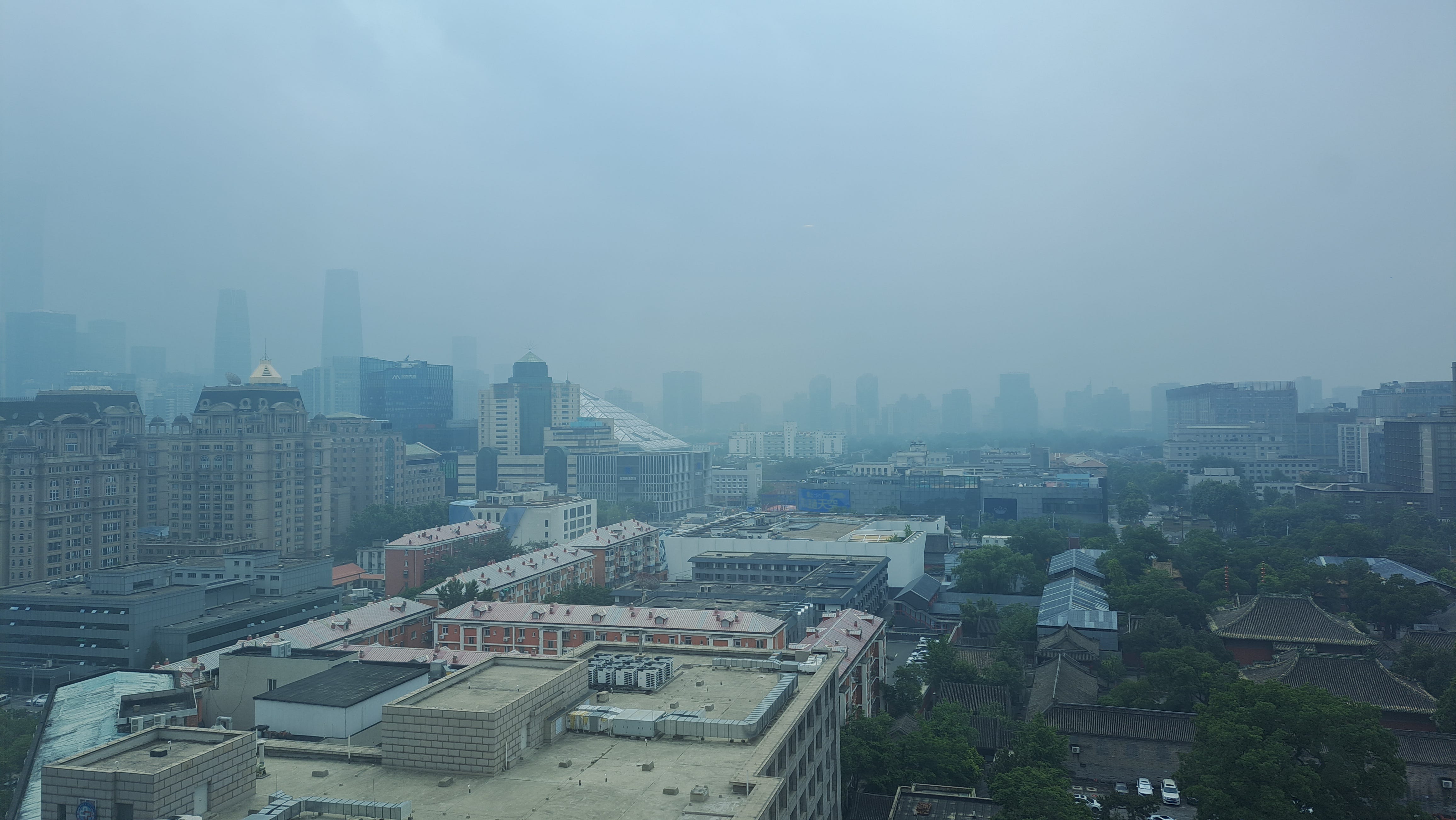
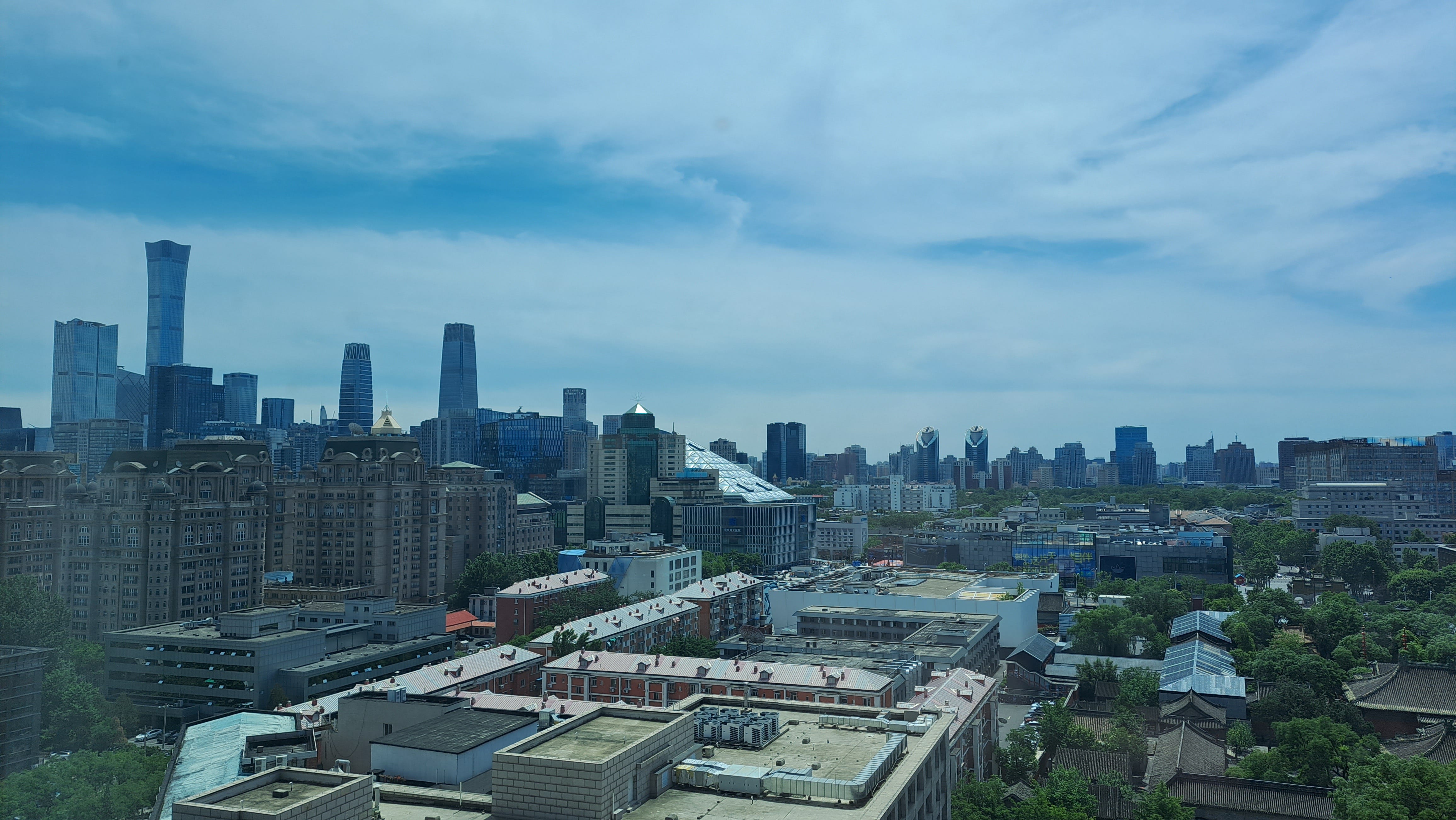
Another thing that struck me about Beijing is how bad the air pollution can still get on some days. Even coming from Bangkok, it was noticeable. Everyone says that Beijing’s air quality has got much better, and it’s true. A decade ago it was just awful, to the point that it was causing real discontent. At the time I could eyeball the PM 2.5 levels based on how far I could see out of my window. If I could make out the high rises in the next neighbourhood, I knew it was a good day.
Beijing’s average annual concentration of PM 2.5 has dropped from 97.72 μ g/m³ in 2014 to 27 μ g/m³ in 2025. This is undoubtedly a huge improvement, but the current level is still five times the WHO’s recommended maximum, and detrimental to human health. And yet the general sentiment seems to be that the problem has been fixed.
In the past, the government would make sure that Beijing’s skies were blue when important foreign leaders visited. Factories would shut down, people would work from home, construction sites would grind to a halt. Apparently since Covid they have stopped doing this. Perhaps impressing foreigners is no longer considered a priority, or they would rather not disrupt the economy any further.
What I can say for sure is that nothing was done to clear the skies during Trump’s visit. The air quality was bad all week, with the AQI hovering around 150-200, and the old, familiar haze hanging over the city. I even bought my first N95 mask in three years. It rained the following weekend and the air cleared up, but one week later the haze was back.
My visit also reminded me of another annoyance of life in China: the internet firewall. I often had to fiddle with my VPN and switch servers to get it to work. I was never meaningfully cut off from gmail and the other apps that my work and social life depend on, but it was still an irritation. It’s now possible to bypass the firewall altogether by using international roaming on a foreign SIM card, but I was using my old Chinese number, so that wasn’t an option for me.
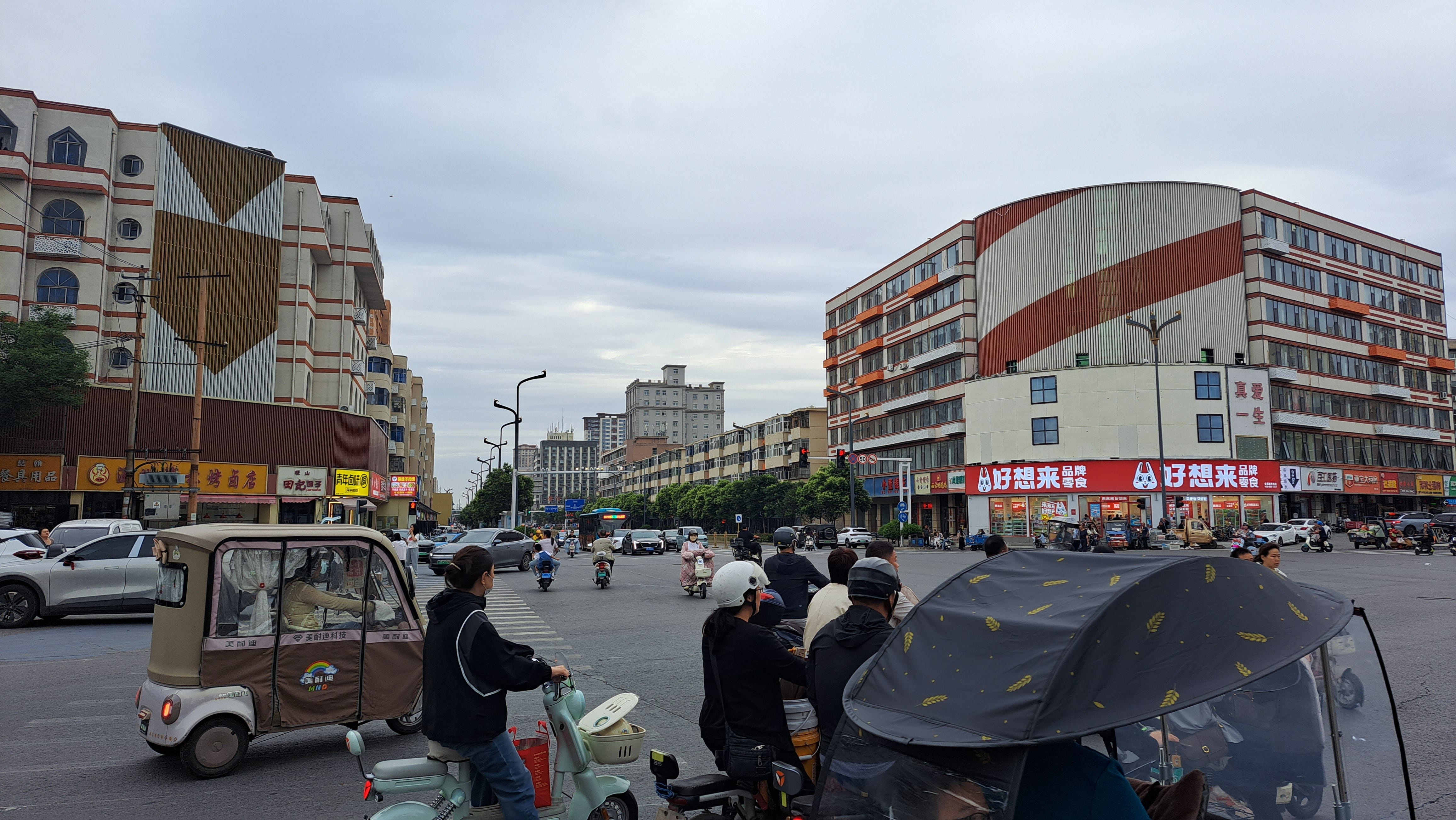
Although I spent most of this trip in Beijing, I ended it with a one-night stay in Yuncheng, Shanxi province, before flying back home from there. It was a nice opportunity to spend 24 hours in a random city in central China where I had never been.
Yuncheng is a medium-sized city of around one million people, neither prosperous nor poor by Chinese standards. Everything is much more affordable than in Beijing, and a room in a nice hotel only cost 200 yuan a night. The city is completely untouched by international tourism, and I saw no other obvious foreigners while I was there.
I spent a few hours walking around the city centre, which was pleasant enough. Provincial cities of this kind look considerably more attractive, clean and prosperous than they used to. New high rises have replaced most of the filthy and decrepit blocks of flats you would see 15-20 years ago.
Yuncheng is about as far from the image of a flashy, futuristic urban China as you can get, yet even here I saw small signs of ecological and urban progress. As well as the shared bikes ubiquitous across the country, I found a row of shared electric scooters that you could rent by scanning a QR code. I rented one, with a helmet included, and rode it for ten minutes. The fare was just 2 yuan.
While Yuncheng wasn’t bad, I found little of interest to do there. The highlight was probably eating the local specialty 羊肉泡馍 (bread in lamb soup) in a rustic restaurant. The main shopping malls were uninteresting and had few people, and the city’s historical sites consist of the usual reconstructed temples and pagodas you can find all over China.
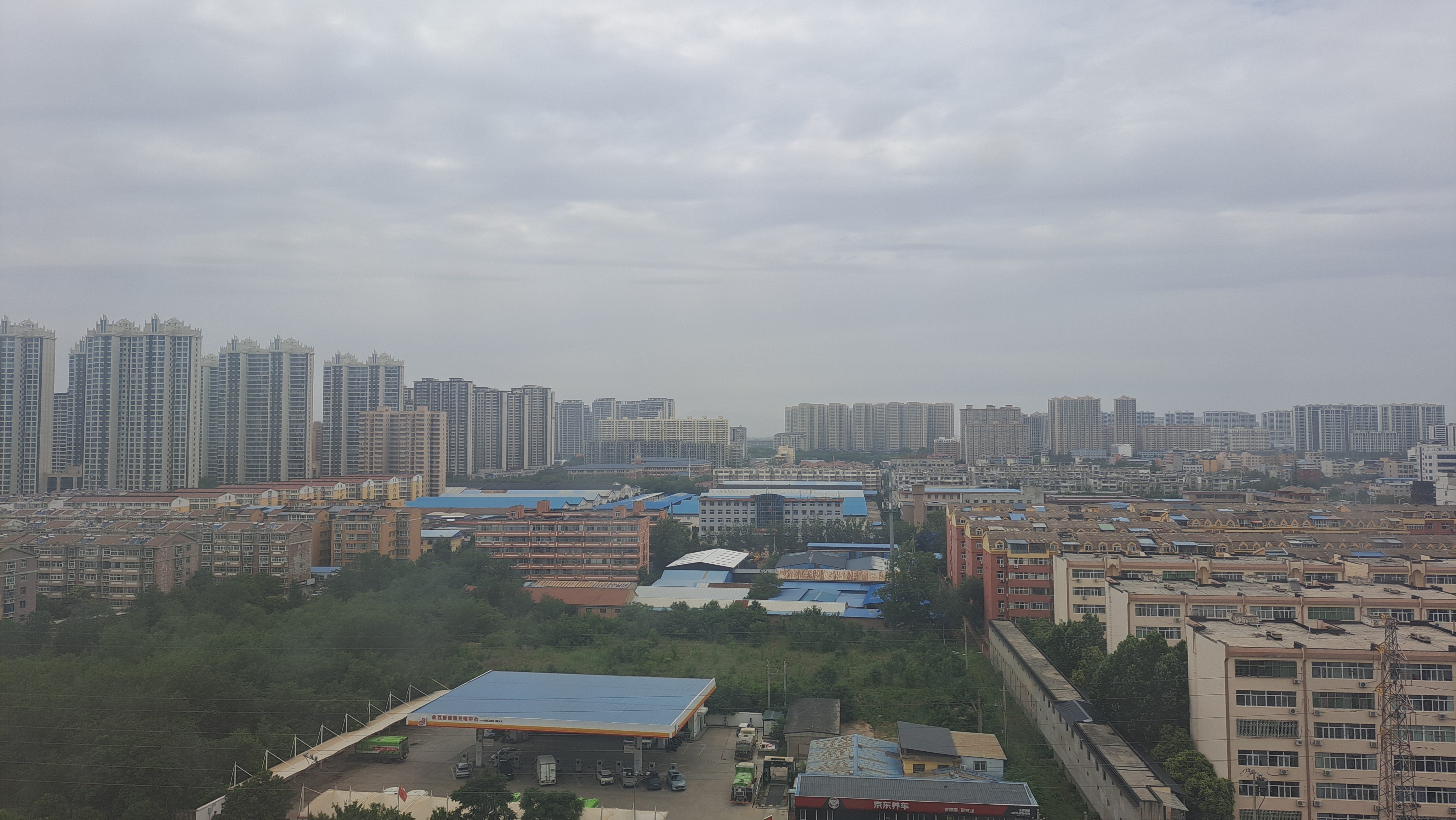
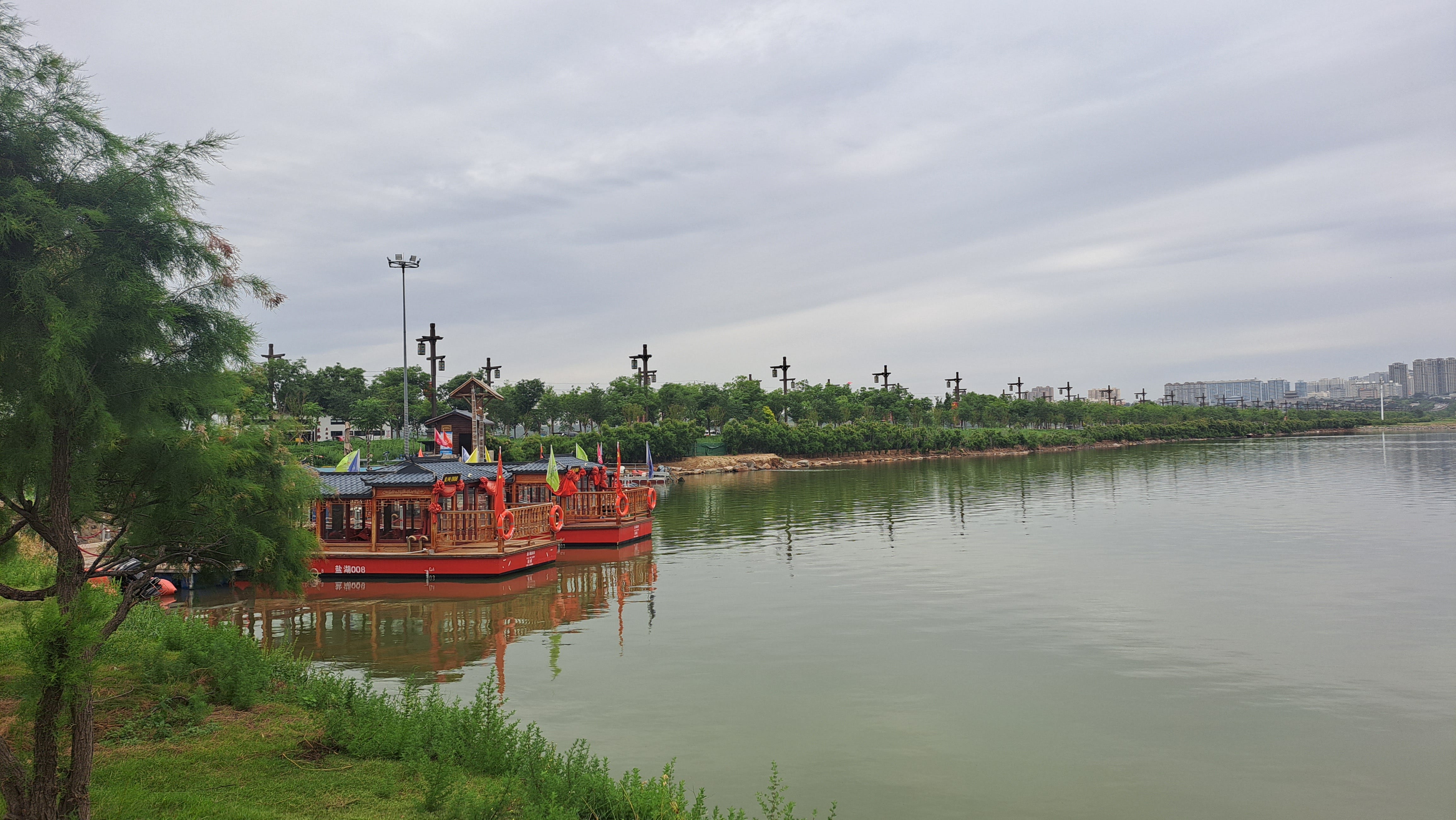
Yuncheng’s main attraction is a large salty lake that sits right next to the city. The tourist board bills it as the 中国死海 (“China’s Dead Sea”), and even Baidu Maps now displays that name. The local government dreams of turning this ancient site of salt production into a tourist landmark, yet even in Beijing no one seems to know of it.
The idea of a Dead Sea no one has heard of in the middle of China sounds enticing, but I wisely kept my expectations in check. Predictably, the lake turned out to be rather underwhelming.
The cool thing about the actual Dead Sea is that you can float on its surface, because it’s so salty. This is apparently possible in Yuncheng’s lake as well, but as far as I could tell visitors aren’t expected or even allowed to enter the water. I went to what seemed like the most popular spot, and there was no sign of anyone doing so.
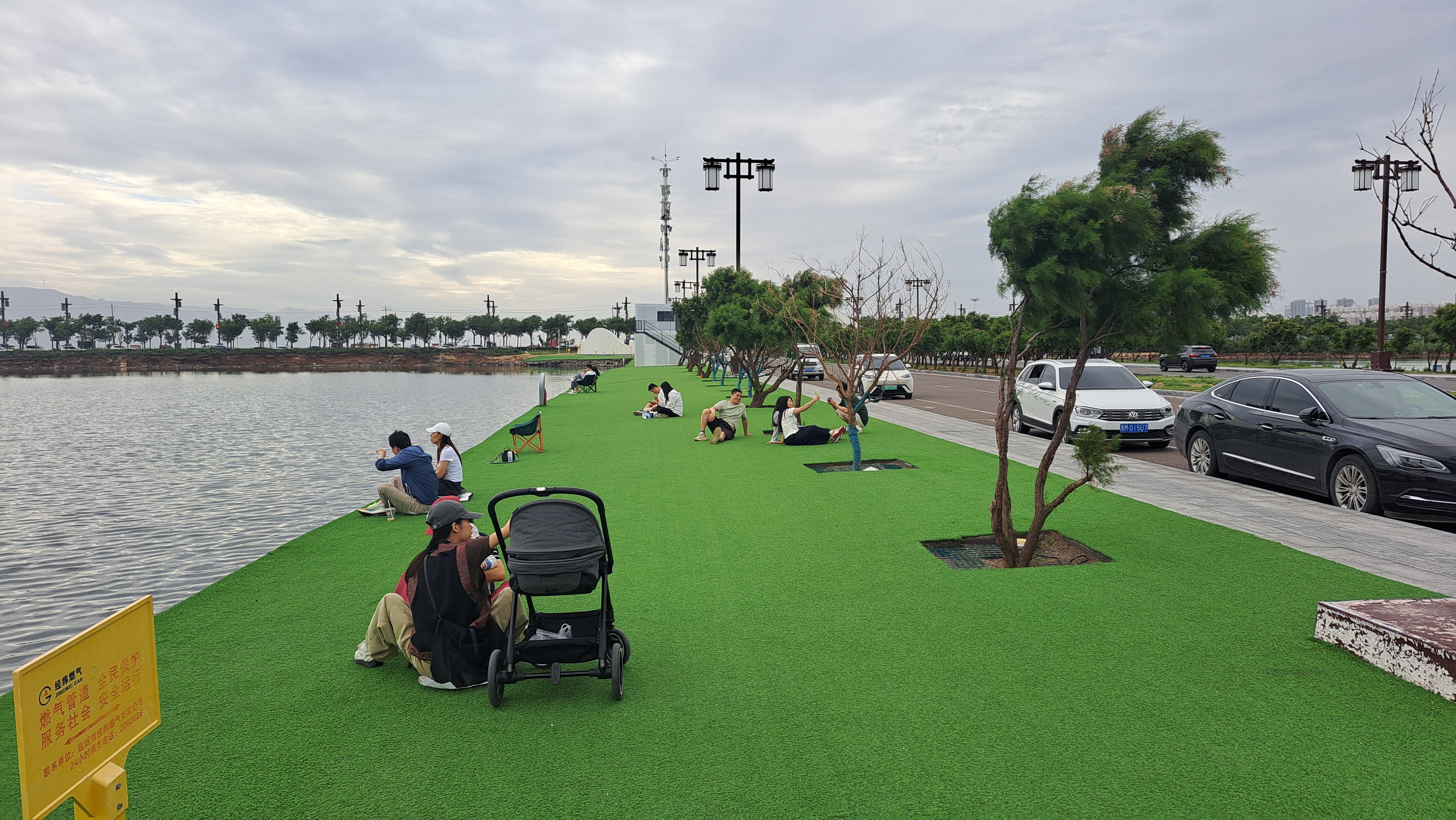
Photos in the Chinese media show the lake’s waters turning yellow, red and other striking colours due to seasonal algae, but the water was a clean yet unexciting grey when I visited. A long bridge has been built across the lake, connecting to a small island in the middle. The island has a hotel and some commercial development geared towards local sightseers, with cafes and a patch of fake grass where families picnic. It seemed fine for a Sunday outing, but not something you would cross China to see.
The following day I flew back to Thailand. Goodbye Chinese food, bicycle lanes, and mild spring weather. As soon as I got out of the plane in Bangkok, I was enveloped by the tropical heat. While I waited on the tarmac, I turned on my phone and reflexively switched on my VPN. Then I remembered I don’t need that here. There are many things I’ll miss about China, but that isn’t one of them.
Makes me miss those old hutongs!
Thanks for writing! This all resonates a lot with my recent visits. I can see the dichotomy of the foreigners now in Beijing (especially if they haven’t been to China long) not noticing the nuances of economic slowdown.